Author name: ukhomedia

Automate Your Email Marketing with AI
Blog

How to Automate Your Email Marketing with AI

It can be quite challenging to send email offers to every one of your subscribers in today’s digital world. The good news is that, using AI (Artificial Intelligence), you can start to automate your email marketing with AI process in a smarter, more effortless way. AI will allow you to email at the right times, understand your audience better, and customize content for each individual. Let’s look at how this looks step-by-step. 1. Understand what AI email automation is first. AI email automation means implementing smart tools that automate routine activities, such as: So that every user/channel receives emails that are relevant to their interests. 2. Pick the Right AI Email Marketing Tool There are many options of tools to use that boast AI capabilities and you can choose based on your goals and budget: You’ll find that these tool simplify and energize your campaigns. 3. Automate Audience Segmentation AI will establish intelligent groups based on any action you have taken from your subscribers. An example of some user actions are: opening, clicking, or purchasing from your last email. For example: The content of your email becomes relevant for each individual user. Also read : 5 Mistakes in Google Ads 4. Improve Content and Subject Lines with AI Creating the perfect subject line is one of the hardest parts. AI tools, such as Phrasee, Copy.ai, and ChatGPT can help you to create new and exciting subject lines for you. For example, a subject line generated by AI might read, “Hey Riya, these new summer deals are made for you!” as compared to “Hey there, check out our new offers.” 5. Automate Frequency and Send Time AI looks at each subscriber’s unique open and click behavior to determine when to optimally send an email. Thus, some users will receive an email at 9 a.m., and others at 8 p.m. since that is when their engagement is highest. This results in higher open rates and fewer unsubscribes. 6. Track Results and Let AI Learn AI will track how many open, click, or buy your emails. It will improve your next batch of campaigns based on that information. Be sure to look at your performance dashboard weekly. 7. Incorporate Chatbots and Lead Scoring After a user clicks a link that’s in a marketing email, an AI chatbot can provide help or a discount in real time. You can also use AI lead scoring to assess which users are the most interested very quickly all on one platform. 8. Keep It Human AI can help, but you also want to involve human communication. Nobody wants their emails to sound robotic and unprofessional. Always read over the email and AI automation to make sure the tone is consistent with the brand voice. FAQs About Automate Your Email Marketing with AI Conclusion AI is your assistant (not your replacement.) You engage your strategic and creative brain when you assign repetitive tasks to AI. Start building an intelligent, automated email marketing system today. The future of email marketing will be both human-centric and AI-powered.
Social Commerce : Selling on Instagram & Pinterest
Blog

The Rise of Social Commerce: Selling Directly on Instagram & Pinterest

Introduction: The Rise of Social Commerce We’ve all been there just mindlessly scrolling through Instagram, hitting like on a stunning outfit, a dreamy living room setup, or those sneakers you didn’t even realize you wanted until now and before you know it, there’s a shiny little “Shop Now” button waiting for you. No searching the brand on Google, no jumping to another website—just one tap and boom, it’s on its way to your doorstep. That right there is social commerce. And honestly, it’s flipping the shopping experience on its head—for buyers and sellers. What Is Social Commerce ? Think of it this way: social commerce is shopping built right into your favorite apps. Instead of seeing an ad and being sent off to some separate website, you can now discover, check out details, and even buy directly inside platforms like Instagram, Pinterest, TikTok, and Facebook. Think of it as shopping while you scroll memes. Effortless, instant, and—let’s be real—super tempting. Why Social Commerce Is Blowing Up Here’s the deal: people don’t just use Instagram or Pinterest to connect anymore. They use it to discover. And the stats? Wild. Social commerce is projected to hit $1.2 trillion by 2025 (yep, trillion with a “T”). That’s a lot of impulse buys fueled by midnight scrolling Instagram: From Likes to Checkouts …it’s basically a full-blown eCommerce platform. Imagine this: a fashion influencer posts a reel wearing your dress, tags your product, and her followers can literally buy it right there. No friction, no extra clicks. That’s why brands big and small are jumping on board. Pinterest: The Visual Search Engine Turned Shopping Hub Pinterest has always been where people go for ideas—wedding inspo, home makeovers, outfit boards, recipes. But now, it’s quietly becoming a shopping powerhouse. Features like: …make Pinterest a goldmine, especially for lifestyle, fashion, beauty, and home décor brands. Here’s the secret sauce: people come to Pinterest already in “planning to buy” mode. So your chances of conversion? Much higher than random ads elsewhere. Why Social Commerce Works So Well Here’s why this whole thing clicks with consumers: The Human Side: Shopping as a Social Experience For starters, some people still feel safer checking out on big eCommerce sites they already know. Then there’s the fact that you’re building your shop on borrowed land—if Instagram changes its algorithm tomorrow, your sales could take a dive. And of course, you never have full control; you’re always playing by the platform’s rules. That’s why smart businesses don’t treat social commerce as their only option. They use it to support their website, not replace it completely Why Work With Us to Figure It Out Jumping into social commerce without a plan can feel messy. That’s where we come in. At ukhomedia, we help brands turn their social pages into actual revenue channels. We’ll help you: We’re not here to chase empty numbers. We’re here to help you move from followers → to buyers → to loyal customers. Because at the end of the day, it’s not about how many times you post—it’s about how many sales you make

Mistakes in Google Ads
Blog

5 Mistakes in Google Ads That AI Will Actually Solve

Google Ads is still a game-changer. And even in 2025, Google Ads is still a place where people are putting time and money. The issue is that mistakes in Google Ads – especially the old-school ones, still lead to terrible campaigns and mediocre results. The upside? You can avoid those old-school mistakes. Not Including a Defined Audience – Costliest Mistakes in Google Ads (AI Fixes It) The first easy mistake is showing ads to –EVERYONE. In this way, you can arrive at an ad click, but your audience – the people who want to buy–are lost in and among all that noise. Result: wasted money from your budget. What can AI do?It actually studies your existing customers – age, location, interests, and builds a precise audience segment, so you can allocate more money to users likely to convert. Just Guessing at Keywords A second mistake is reviewing keywords; people are just guessing random, or generic, keywords. People are also skipping negative keywords. These can both lead to irrelevant ad traffic, and ads running on an irrelevant search. AI helps here too. It collects user data, determines long-tail keywords, anticipates CPC trends, and auto fields unnecessary search terms in a negative list for you. It is all done for you. Not A/B Testing Ad Copy Too many advertisers write a couple of ads and abandon them. Without A/B testing, how do you know which headline or description resonates with your audience? With AI copywriting tools, you can write dozens of copy variations, mix and match the headlines, A/B test them and adjust the copy style based on different audience segments. Naturally, your click-through-rates improve because you are not guessing anymore. Not Tracking Conversions – Most Dangerous Mistakes in Google Ads Another big mistake is being satisfied simply by counting clicks. How do you optimize your campaigns if you don’t know which ads generated a lead or sale? This is where AI can help by bringing data together. It will identify any gaps in tracking, and model any conversions that should have been reported. You will have a clearer picture of ROI, and be more confident in budget adjustments. Bidding Manually Bidding manually feels like you have control over every auction. In reality, you are wasting both time and money! Smart AI bidding takes into account time of day, device, location, user intent (or other signals) to determine whether or not to set the right bid for each auction, based on a goal. You will end up with better CPA and more conversions! What else can AI do? A concrete example of this is Google’s own Performance Max campaign. Frequently Asked Questions conclusion AI can easily tackle many of common gaps in Google Ads – hit or miss targeting, unqualified keywords, no ad copy testing, not tracking conversions, and manual bids. Simply create a smart plan and turn over the time consuming busywork to AI. More time for you, better return on investment for your campaigns.

short-form video ads
Blog

Why Short-Form Video Ads Work (and How to Make Them)

Introduction: The Short-Form Video Ad Boom Short-form video ads are popular in 2025, like those seen on Instagram Reels, TikTok, YouTube Shorts and Facebook Stories. These are brief and fun videos that work really well blended in to our scrolling behavior for getting your message across quickly. Marketers are realizing that these micro-videos can have higher click-through and conversion rates than longer videos or static posts. Short-Form Video Ads Convert Better And Here is Why And in this digital world we live in, well, attention spans are pretty much toast. Viewers are more like to watch all of a strong message and take action when the ad is short and visually strong. Social platforms also nudge short videos along because they tend to be relatively high engaging with viewers watching for longer periods. This translates to greater reach with lower cost for your ads. Short videos are also fast at getting an emotional response to land. Emotion is immediately stimulated by bold visuals, music and captions which enhances recall and purchasing decisions. Short ads are also easy to produce, and so you can test many versions until you quickly discover what works best. How to Make High-Converting Short-Form Video Ads For one, pick a clear objective for your ad. Is it awareness, traffic or sales? If you know what your goal is, the message sharpens. As you begin playing the video, grab viewers’ interest within the first three seconds. Capture attention immediately with a strong image, an unexpected question, or bold text. Demonstrate value rather than just showcasing features. Use short clips and captions to highlight product benefits or to show the issue the product is designed to solve. Social proof in the form of reviews, testimonials, and before-and-after videos work well in a short format too. As a disclaimer, make sure you have captions, and solid CTAs built-in. People watch a lot of content without the sound on, so overlays and/or subtitles give you instant context clarity. To keep the viewer active, have a strong CTA at the end of the video, using phrases like “Shop Now” or “Sign Up Today.” And don’t forget, for each platform, think about optimization. 15–30 seconds vertical performs well for Instagram Reels and TikTok, Up to 60 seconds vertical for YouTube Shorts, and of course, 15 seconds per slide for Facebook Stories. Finally, once the ad is running, continue to monitor the metrics. It doesn’t hurt to look at click-through rate, watch time, and conversions, and make edits to the next round of ads. The value in being able to make changes based on metrics helps create better ads for each round. Additional Suggestions for Performance Try to use trending sounds, songs, or your own audio, as it often improves reach. Brand in the corner subtly, for instance, a logo. Shoot more than one creative while you are shooting since it saves time and money, and test out a variety of hooks to find out which one performs best. Frequently Asked Questions Conclusions: Quick Videos, Big Closes Short-form video ads are growing in popularity because they respect people’s attention spans, are algorithm friendly, and pack a quick-hit emotional appeal. If you think singularly, capture viewers fast, and focus on the specific benefit of each platform, you can produce efficient, high-converting, cost-effective ads that drive real results.

Create AI-Driven Customer Personas in Minutes
Blog

How to Create AI-Driven Customer Personas in Minutes

Introduction: Why Customer Personas Are Important A semi-fictional profile that embodies your ideal client is called a customer persona. Demographics, objectives, problems, and patterns of behavior are all included. With the aid of artificial intelligence (AI), marketers can now create personas through surveys and interviews in a matter of minutes as opposed to the previous hours. Collecting Customer Data To create AI-driven personas, you first need real data. Email marketing tools, CRM platforms, social media insights, and website analytics (Google Analytics) can all provide this information. The personas will be more accurate if the data is cleaner and richer. Choosing the Right Persona Tool Selecting the best AI tool for your company is the next stage. Several well-liked choices are: Choose a tool according to your needs and financial constraints. Connecting Data with a Tool Upload client information or establish a direct connection after choosing a tool. Most platforms allow CSV file upload, Google Analytics link, or CRM sync. This eliminates the stress of manual entry and gives AI access to all the data. Let it analyze and cluster Once the data is connected, the AI ​​gets to work. It classifies viewers according to: These clusters form the basis of your new customer personas. Review and customize the output Draft personas are produced by the AI, but human interaction is crucial. Provide them with names and images, edit the descriptions to reflect the brand’s voice, and include objectives and customer-reported pain points. This makes the personas more relatable. Use AI – Driven Personas to Marketing Once the personas are finalized, use them in your marketing. Segment email campaigns, improve ad targeting, plan content strategy, and even guide product development. These personas are automatically updated because they’re connected to live data. Tips to Become a Better AI Personas Start broad and refine as you go. Combine AI’s quantitative data with qualitative customer feedback. And refresh personas every quarter to keep marketing current. FAQs Conclusion: Fast, Data-Driven Insights Creating customer personas no longer has to be a slow and manual process. With AI tools, you can create accurate and up-to-date personas in minutes and focus on what matters most personalized experiences that convert.

Blog

Best Free AI Tools for Small Businesses to Boost Marketing

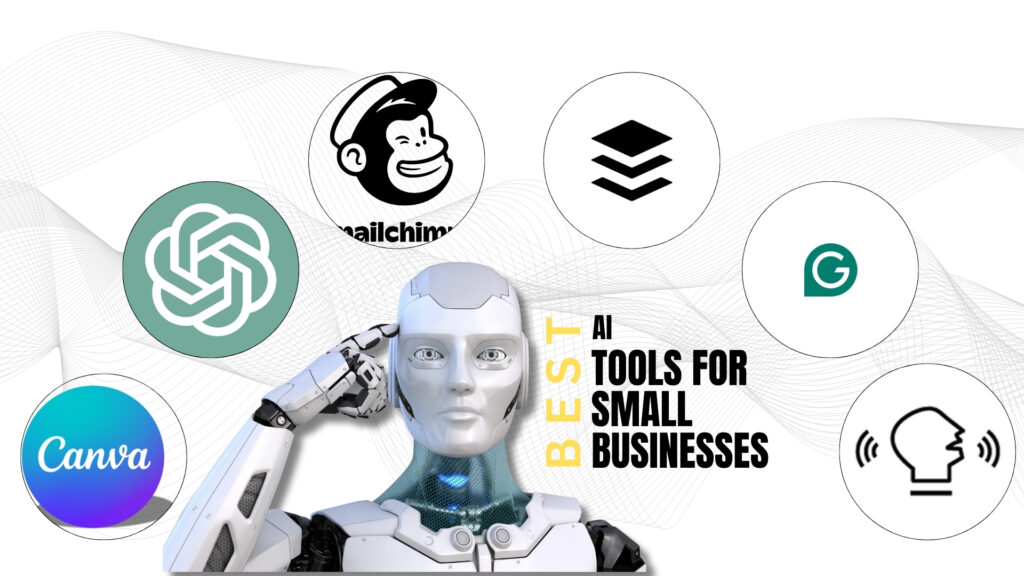
Introduction: Small Business, Large Marketing Potential For small businesses, a marketing budget is often perceived as difficult. Today, there are AI-based tools available to small businesses, often at a very low price or free, that allows you to generate content, acquire knowledge about your clients and potential clients, and manage how you advertise. In this article, we will explore the best free AI tools that obtain meaningful returns on investment for your small business’s marketing. 1. Canva: An Innovative Design Platform Using AI Creating creatives is a consistent challenge for any small business. With the free version of Canva, you will have access to AI features including Magic Resize, Background Remover (limited credits) and smart templates. That will make it easier for you to create posts for social media, ads, or brochures wit a designer. 2. ChatGPT Free Plan: Generate Language With AI Instantly Do you need blog posts, captions, or ad copy? ChatGPT’s free plan can provide you with ideas and drafts instantly, and use it generate blog post headlines, FAQs, or email templates. All you have to do is make sure to use the prompts wisely, and edit as needed based on your brand. 3. Mailchimp Free Plan : Smart Email Marketing Email marketing remains the most effective channel. Mailchimp’s free plan allows up to 500 contacts (contacts, not subscribers). It also provides AI-driven send-time optimization and subject line suggestions to enhance your open rate. 4. Buffer : Social Media Scheduling with Insights Buffer’s free plan allows you to schedule posts across a maximum of 3 channels. AI analytics helps you discern which content is doing better than other content, so you don’t have to re-upload each piece. 5. Grammarly : Polished Writing, Better Impression For small businesses, every email or social post must look professional. Grammarly makes your grammar, tone, and clarity much better. It is AI-driven and offers suggestions and grammar-checking in real time. 6. Google Analytics 4 : Data That Speaks to You GA4 is free and now comes with AI-powered insights. You can inquire if your campaigns are running, which pages “convert,” and where users “drop-off.” It is easy to make data-driven decisions. 7. AnswerThePublic: Generate Content Ideas Instantly This free tool will help you see what people search for in Google. From the search engine’s insights, you’ll see AI suggestions for blog topics, FAQs, and social media ideas based on real questions asked by an audience. 8. Try Pictory.ai Free: Find Video Content without Editing Video is the most engaging format. In the free trial for Pictory, you can take blog posts and turn them into short videos. The AI automatically highlights the important points and adds visuals with no effort. 9. Hootsuite OwlyWriter Free Tools: Create Quick Captions Hootsuite has released several free AI tools like OwlyWriter, which creates social captions for you. You save time and get new ideas for captioning your posts. 10. Trello + Butler Automation: Manage campaigns Trello’s free plan and AI-driven Butler function will take over many of your management tasks of marketing. For example, auto-moving cards, reminders or managing repetitive tasks. FAQs Conclusion: Free AI Tools = Smart Growth AI is not a doorstep for small businesses. With free tools, you can generate professional content, targeted emails, and analytics without hired staff. Delve into it, and see what works best for one’s business, and elevate the marketing style.

AI Is Transforming Digital Marketing in 2025
Blog

How AI Is Transforming Digital Marketing in 2025: 10 Game-Changing Trends

Introduction: Why is it most important in digital marketing now? AI Is Transforming Digital Marketing in 2025 from being a supporting tool to becoming the main hero of online growth. In today’s fast-paced market, Artificial Intelligence analyses huge amounts of data to help brands reach the right audience and deliver a personalised experience. This means the guessing game is over, and marketing budgets can now be used much more smartly and effectively. 1. Hyper-Personalized Customer Journeys Nowadays, customers want brands to understand them. This is how it works. Predictive Audience Segmentation Machine learning models not only look at demographics, but also predict behavior, such as “which customer can choose” or “who will buy in the next 30 days.” Dynamic Content at Scale AI customizes website layouts, product recommendations, and ad copy for each visitor. This provides a personalized experience as opposed to static campaigns. 2. AI-Driven Content Creation and Optimization Natural Language Generation for Blogs and Ads NLG tools quickly draft blog posts, ad headlines and social captions for you. They also provide tone and style suggestions that improve engagement. Smart SEO Recommendations It analyzes keyword difficulty, search intent, and competitor content to suggest the best topic clusters and content length. Ranking becomes easy. 3. Conversational AI and Voice Search Chatbots That Feel Human In 2025, chatbots can understand context, sentiment, and intent. They no longer give scripted replies but solve real problems and are available 24/7 without feeling robotic. Optimizing for Voice Queries Smart speakers and voice assistants have become mainstream. AI helps optimize content for spoken questions, which are usually more natural. | Also read : Mistakes in Google Ads That AI Will Actually Solve 4. AI in Paid Advertising Smarter Bidding and Budget Allocation Adjusts bids, budgets, and targeting in real time in Google Ads and Meta Ads. Improves ROI and reduces costs. Creative Testing and Automated Variants AI creates multiple ad variations-images, videos, and copy-tests and scales winners. Campaigns stay fresh and creative fatigue is reduced. 5. Advanced Predictive Analytics Real-Time Customer Insights Dashboards show live customer behavior. Suddin detects drops or spikes and alerts marketers so they can act immediately. Forecasting Campaign ROI By analysing past data, it predicts ROI even before a new campaign is launched. Justifying the budget becomes easy. 6. Image and Video Recognition in Social Media Visual Trend Analysis Scans a million posts to detect trending visuals-colors, styles, memes-that your audience will love. Automated Tagging and Compliance Auto-tagging and detecting brand mentions saves marketers time. It also flags sensitive or copyrighted content. 7. AI-Powered Email Marketing Send-Time Optimization Predicts when each subscriber will open an email. Open rates and click-through rates are boosted. Personalization Beyond First Names Subject lines, offers and layouts are also tailored to each subscriber’s history. It feels like a one-on-one conversation. 8. Privacy-Friendly Personalization AI and the Cookieless Future Third-party cookies are on their way out. Aggregated or anonymized data makes privacy-compliant personalization possible. 9. Integrating AI with CRM and Marketing Automation Unified Customer Profiles Combines data from different channels to create a single, updated customer view. Every interaction is consistent. Trigger-Based Campaigns When a high-value customer takes a key action say, a cart instantly launches the best next message via email, SMS, or push. 10. The Future Marketer: Skills You’ll Need Marketers don’t need to code algorithms, but they do need to understand how AI works, how to interpret insights, and how to ethically apply them. Creativity, strategy, and data literacy are top skills. FAQs Conclusion: A More Intelligent Digital Marketing World In 2025, AI is not just an experiment but has become an essential part of digital marketing. From hyper-personalization to predictive analytics, AI is taking marketers from guessing to precision. The key is to mix machine intelligence with human creativity and ethics. The brands that master this balance will shine the most.

Scroll to Top